


Namaste DOST!
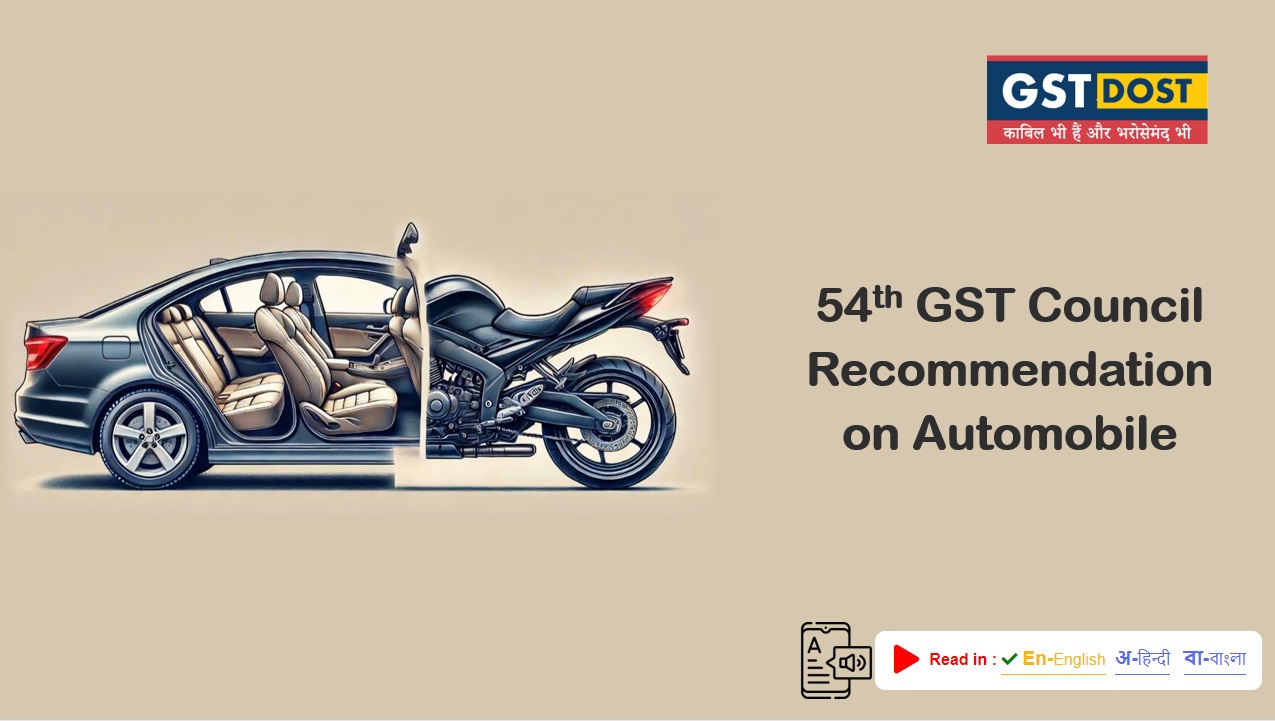
The latest update in GST regulations brings a significant change for the automobile industry, specifically affecting car seat manufacturers and suppliers. The GST rate on car seats has been increased from 18% to 28%, aligning it with the tax rate already applicable to motorcycle seats. This adjustment aims to create uniformity across similar products in the automotive sector. Here’s what this change means for your business and how it will impact the automotive manufacturing landscape.
What’s Changing?
Increased GST Rate on Car Seats
Car seats, previously taxed at 18%, will now attract a GST rate of 28%. This change has been implemented to bring car seats in line with the existing 28% GST rate on motorcycle seats, ensuring a standardized tax approach within the automotive industry.
Effective Date
The new 28% GST rate will be applied prospectively, meaning it will affect future purchases and sales of car seats. The updated rate will not apply to existing stock, providing some relief to manufacturers and retailers holding inventory.
Impact on Automobile Manufacturers
1. Higher Manufacturing Costs
The increased GST rate will directly impact the cost of manufacturing and sourcing car seats, which are critical components in vehicle assembly. Automobile manufacturers will need to factor in the higher tax rate when pricing their vehicles.
2. Potential Price Adjustments
Manufacturers may need to adjust their pricing strategies to account for the increased GST burden, potentially leading to higher prices for end consumers. This change could affect market dynamics, especially in competitive segments where pricing is a key factor.
3. Impact on Supply Chain and Procurement
The tax hike will affect the entire supply chain, from raw material suppliers to seat manufacturers and vehicle assemblers. Companies will need to ensure that their procurement processes are optimized to mitigate the impact of the increased GST rate.
4. Compliance and Invoicing Changes
Automobile manufacturers must update their invoicing systems to reflect the new 28% GST rate on car seats. Ensuring compliance with the correct classification and tax rates will be crucial to avoid penalties and maintain smooth operations.
What Should Automobile Businesses Do?
Review Pricing and Cost Structures:
Evaluate the impact of the new GST rate on overall production costs and adjust pricing strategies accordingly.
Update Accounting and Billing Systems:
Ensure your systems are updated to apply the correct GST rate to car seats, maintaining compliance with the new tax regulations.
Consult Tax Experts:
Engage with GST consultants to fully understand the implications of this rate change and to strategize effectively for cost management.
Monitor Market Reactions:
Keep an eye on how competitors are responding to the new GST rate and adjust your business strategy to remain competitive in the market.
Conclusion
The increase in the GST rate on car seats to 28% marks a significant shift for the automotive industry, aligning car seat taxation with other similar products. While this change introduces new challenges, it also underscores the importance of adaptive business strategies and proactive compliance to navigate the evolving tax landscape.
For further assistance and expert guidance, contact GST DOST:
📞 Call: 90 8888 2000 / 3000
📧 Email: support@gstdost.com
Share this blog with your business network to keep everyone informed about the latest GST changes impacting the automotive sector. Stay updated and ensure your business remains compliant with the latest tax regulations!
Disclaimer
This blog is intended for informational purposes only. Always consult your GST consultant before making any business decisions.
#AutomobileManufacturing #CarSeatsGST #TaxUpdates #AutomotiveIndustry #GSTDOST #54gstcouncilmeeting

Related posts
Yes, Police Can Attach Bank Accounts in GST Cases. But Only If They Follow the Law...
Nairson Multiventures Case: Why GST Cancellation Without Due Process Failed...
GST Summons Is Not a Punishment — Don’t Panic Before the Law Does...
Sale of Business as a Going Concern Is GST-Exempt — And ITC Transfer Is Allowed...
